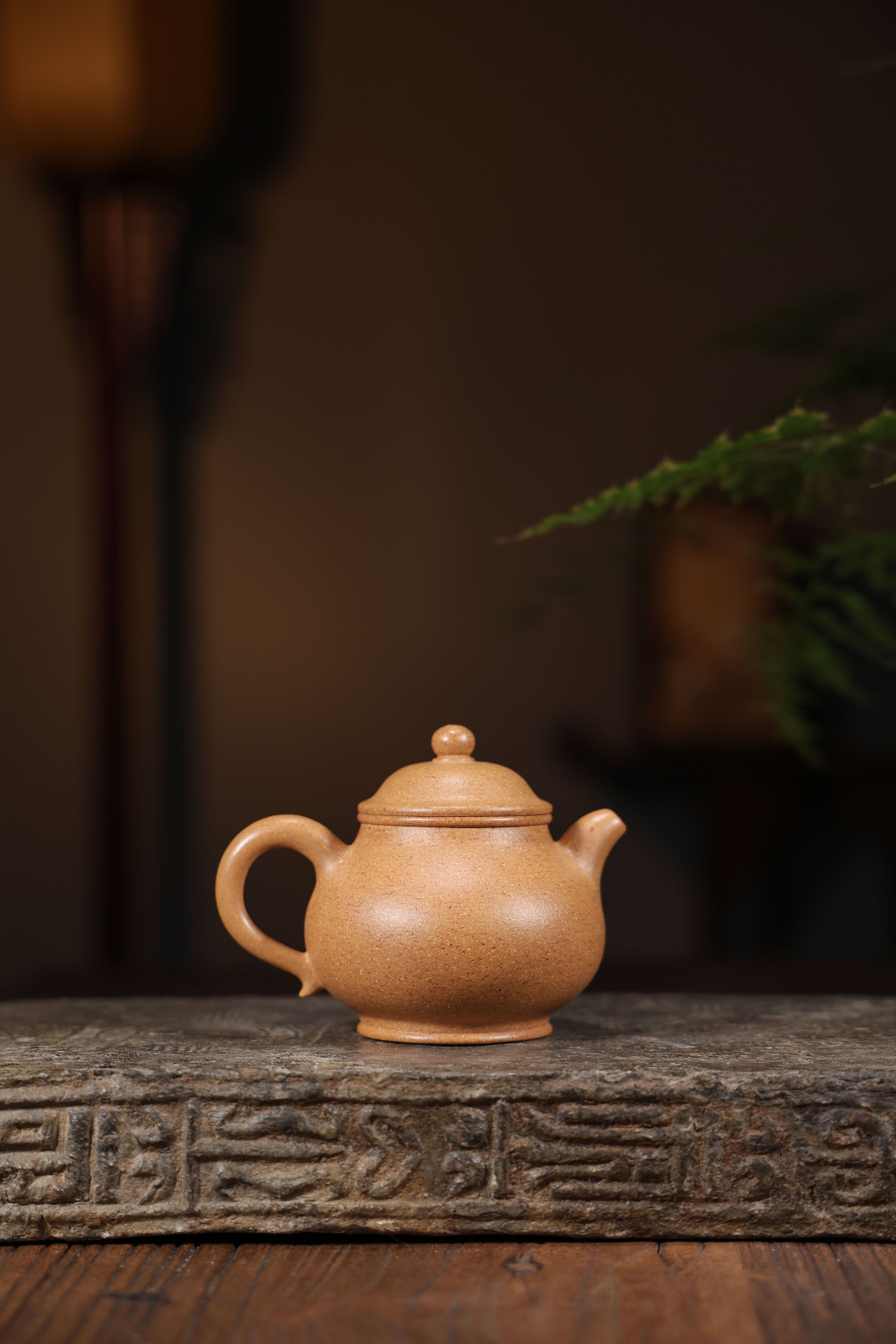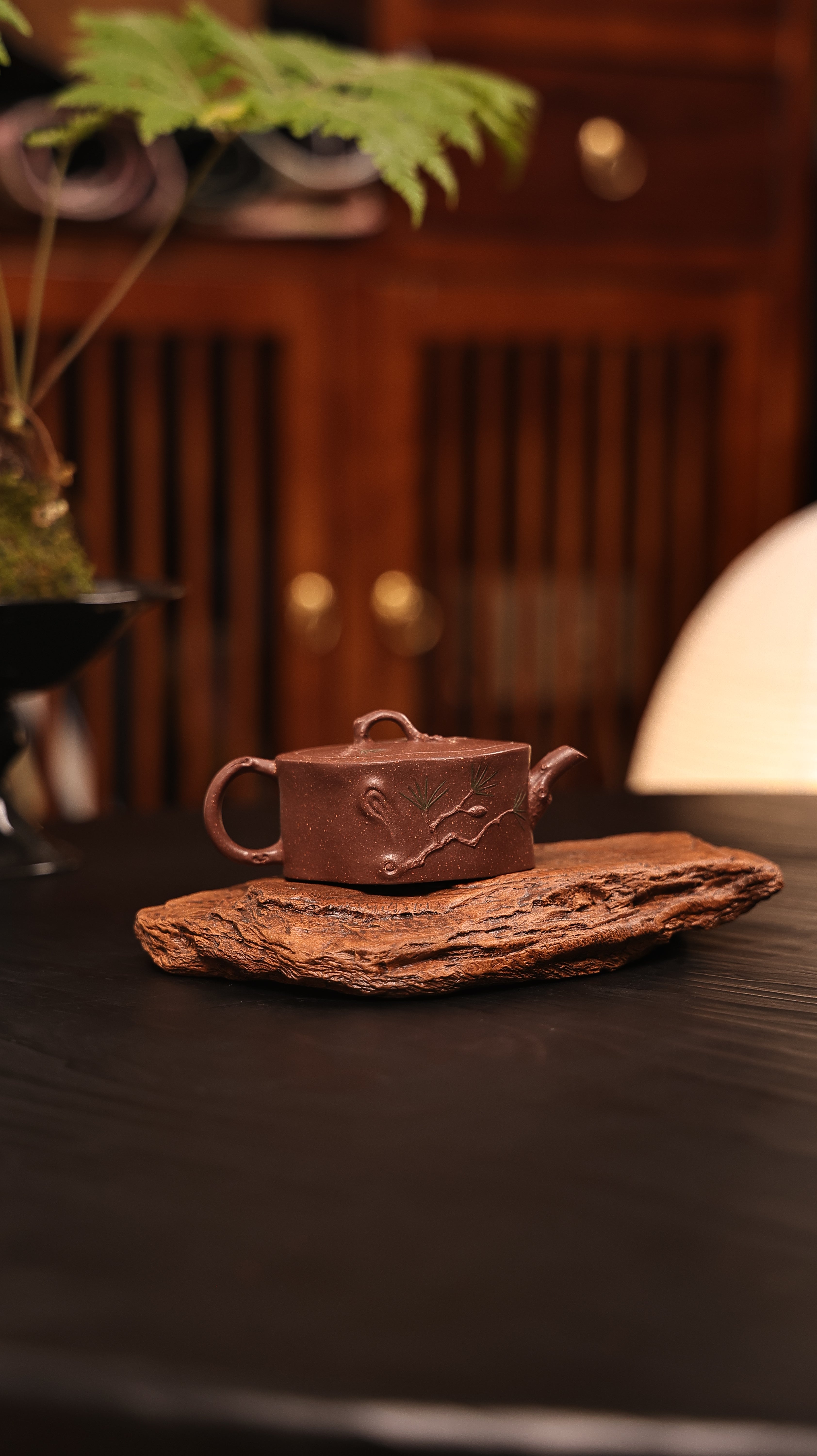
Eras of collectors have desired the exceptional fascination of Yixing Zisha earthenware. Founded in the scenic town of Yixing, the territory, these urns are constructed from a infrequent and dug purple clay famous for its remarkable thermal qualities and ability to refine the note of concoctions. More than their useful merit, Zisha teapots manifest a time-honored customary inheritance, causing them highly admired and a legitimate find for any dedicated teapot connoisseur.
Discovering Yixing Vessels
These teapots highlight a singular mixture of history and artisan craftsmanship. Founded in Yixing, Jiangsu Zone of China, their narrative stretches the Ming Dynasty, although evidence suggest earlier models. The distinctive purplish clay, called Zisha, found just in the Yixing region, is the crucial component, contributing to the pots' excellent heat keeping and the manner they alter the taste of tea. Epochs of potters have refined techniques—often relayed through families—including coiling the clay, applying detailed embellishments, and firing the pots at regulated temperatures.- Traditionally, Yixing teapots were often furnished with simple designs.
- Eventually, more ornate carvings and representative motifs became popular.
- The oven firing itself is a pivotal element, requiring years of practice.
Obtaining Zisha Teapots: Critical Aspects
Commencing a search to accumulate Zisha teapots can be fruitful, but it’s essential to comprehend what to analyze. Authenticity is vital; focus on the soil’s natural color, a earthy reddish-brown is regular. Examine the surface; genuine Zisha has a particular tactile sensation, often described as slightly coarse. The outline should be pleasing and consistent with time-honored styles, while seals, if present, require careful examination for legitimacy. Don’t avoid to consult with experienced dealers or reliable databases – their insight is precious.
Ancient Kettles: Understanding the Culture of authentic Purple Ware
Millennia have seen Yixing Zisha teapots occupy a important role in Chinese legacy. These exquisitely made Chinese Teapot pots, sourced primarily from the locality of Yixing, are well-known for their peculiar pigmentation, composition, and their ability to improve the flavor of infusions. Countless collectors value antique Yixing teapots, treasuring them profoundly not only for their aesthetic grace, but also for the chronicle they embody.
Yixing Zisha Teapots: Exceptional Ultimate Selections and Their Aspects
Ming Clay teapots, native to the celebrated zone of Yixing, the state, are distinguished for their exclusive clay and remarkable brewing powers. Inside the several Zisha types, the varieties that are highly treasured include Baiwei. Binzhou, known for its vivid purple shade and velvety texture, delivers a soft flavor. Duan Ni subclass, recognizable by its rusty color and slightly grainy feel, is believed to enhance a robustness. Lastly, Zhuni variety boasts an infrequent red tone and can convey a gentle nuance. Each form provides a individual experience, bringing them remarkably desirable among liquid enthusiasts.
Refining Personal Zisha Cup
To realize the essence of your Yixing teapot, familiarizing oneself with the correct modus operandi is critical. These clay earthenware, celebrated for their porosity, will successively retain the flavor of the tea you formulate within them. Begin by flushing the teapot thoroughly with tepid water. Then, use only top-grade raw leaf tea, as lower quality options can degrade the clay’s delicate qualities. Always let the leaves to extend completely, and remember that with each steeping, your Yixing teapot will become gradually unique.
Conserving Your Cherished Zisha Keepsake
Proper handling for your Zisha jar is necessary to conserving its appearance and appreciation. Zisha clay, hailed for its unique nuance and consistency, requires considerate handling. Never use severe formulas, as these can affect the veneer. After every session, rinse the container with warm water and allow it to evaporate completely.
- Resist soaking the vessel for extended lengths.
- Periodically use a soft cleanser cloth to wipe the exterior.
- Contemplate applying a thin layer of food-grade ointment inside the kettle after drying, which can lessen staining.
A Beginner's Guide to Yixing Containers
Yixing pitchers, originating from the Yixing area in Jiangsu Province, the Chinese territory, are celebrated for their distinctive peculiarities. Produced from the unique purple material known as Zisha, these pitchers are prized by tea enthusiasts worldwide. This overview will succinctly explain the pillars – covering types of Zisha soil, well-liked shapes, and critical care helpful hints. Understanding the background of Yixing vessels can strengthen your appreciation for this acclaimed example of Mandarin heritage.
Skill of Mandarin Containers: Showcasing Zisha from Yixing City
Zisha ware from the Yixing area represents the summit of Oriental pitcher design, demonstrating a unique blend of earthy beauty and practical artistry. These exceptional pieces are celebrated for their intense shades, often varying from robust purples and chestnut hues to light greys and gentle beiges. The unique mineral composition of the indigenous Zisha terrain imparts a identifying texture and offers a desirable aroma that boosts the entire beverage experience, causing them extremely desired collectibles and vital components of any serious tea.